


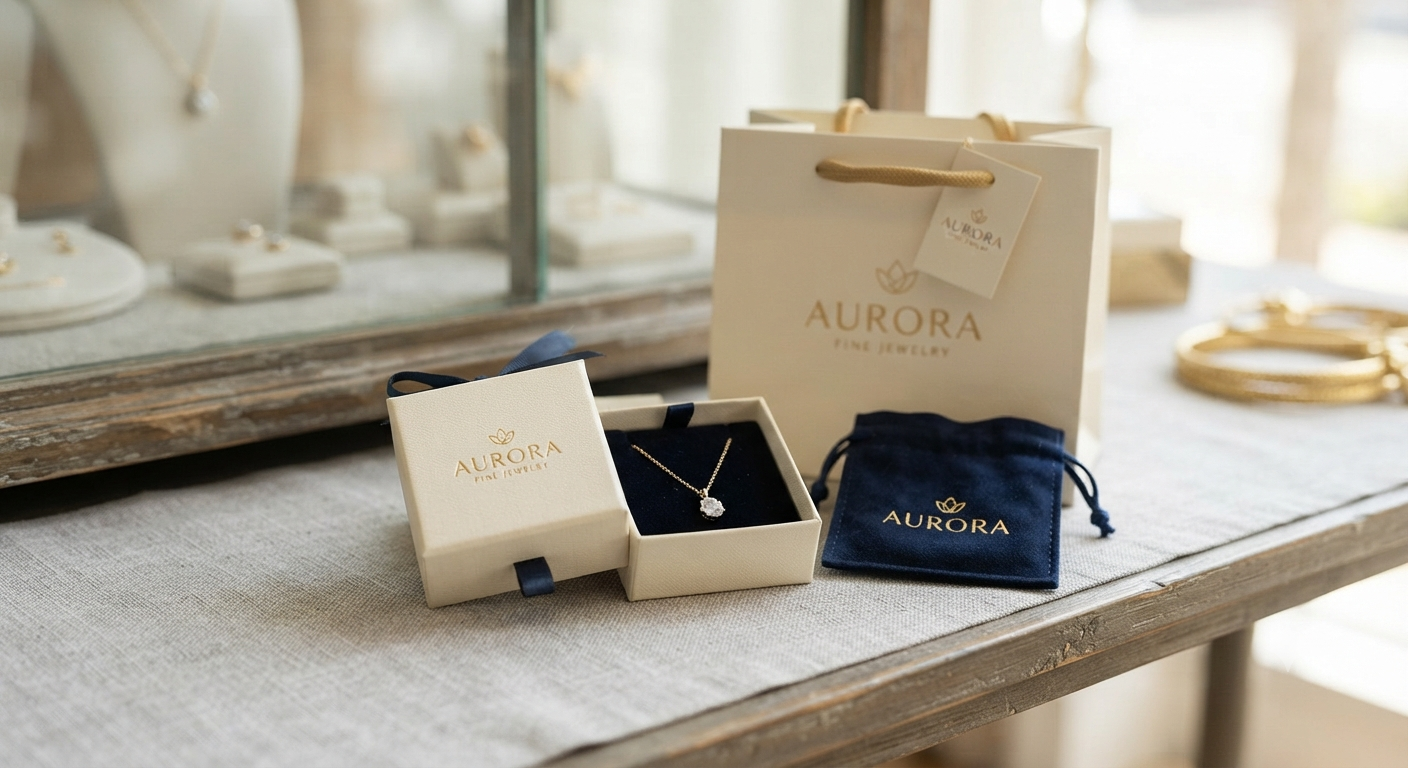
Jewelry is not simply a product. It is often connected with emotions, celebrations, relationships, achievements, and special memories. Because of this, the presentation of jewelry has always mattered. A beautiful ring, necklace, bracelet, or pair of earrings deserves packaging that protects it while also creating a memorable experience.
Over the years, custom jewelry packaging has changed from basic protective boxes into an important part of branding and customer experience. At the same time, luxury jewelry packaging has developed into a sophisticated combination of design, craftsmanship, functionality, and exclusivity.
Let’s explore how jewelry packaging has evolved, what it looks like today, and what the future may bring.
In the past, jewelry packaging was primarily created for protection. Before modern manufacturing techniques became common, jewelers relied on simple materials such as wooden boxes, fabric pouches, leather cases, and small metal containers.
The purpose was straightforward: keep valuable jewelry away from dust, moisture, scratches, and physical damage.
For expensive jewelry, packaging could be handcrafted and decorated with detailed patterns or premium fabrics. A beautifully made box could itself represent wealth and craftsmanship.
However, packaging was not generally viewed as a marketing tool. Customers mainly focused on the jewelry inside the container.
That approach gradually changed as jewelry retail became more competitive.
As jewelry businesses expanded, brands realized that packaging could communicate their identity. A box featuring a company logo, specific colors, and recognizable design could make the brand more memorable.
This was the beginning of modern custom jewelry packaging.
Instead of purchasing standard boxes, jewelry businesses could develop packaging based on their individual requirements. Different products could have different box sizes, inserts, closures, finishes, and presentation styles.
For example, a jewelry company might choose:
These details may appear small, but together they can create a consistent brand experience.
As premium and designer jewelry brands became more prominent, packaging also became more sophisticated.
Luxury jewelry packaging is not simply about using expensive materials. It is about creating a feeling of quality before the customer sees the jewelry.
The texture of the box, the way it opens, the softness of the interior, the positioning of the jewelry, and even the weight of the package can influence how customers perceive the product.
Luxury packaging commonly focuses on:
The objective is to make opening the package feel like an experience rather than a routine activity.
Although custom and luxury packaging are closely related, they are not exactly the same.
| Feature | Custom Jewelry Packaging | Luxury Jewelry Packaging |
| Main focus | Personalization | Premium experience |
| Branding | Can be highly visible | Usually refined |
| Materials | Wide range | Generally premium |
| Design | Based on brand requirements | Elegant and sophisticated |
| Budget | Flexible | Usually higher |
| Main benefit | Brand differentiation | Exclusivity and perceived value |
A jewelry company does not necessarily need to choose between the two. Customization can be combined with luxury elements to create packaging that is unique and premium at the same time.
Customer expectations have changed significantly with the growth of e-commerce and social media.
When someone purchases jewelry from a physical store, they experience the shop, interact with employees, and see the product presentation before buying. Online shoppers do not have that experience.
For them, the package may be the first physical interaction they have with the brand.
A well-designed package can help:
This is particularly important because unboxing has become part of modern digital culture. Customers often photograph or record attractive packages and share them online.
The jewelry packaging industry is also being influenced by sustainability.
Consumers are becoming more aware of packaging waste and are increasingly interested in brands that use environmentally responsible materials.
Instead of excessive plastic and unnecessary layers, companies are exploring recycled paperboard, recyclable materials, biodegradable components, reusable boxes, and responsibly sourced materials.
For jewelry brands, sustainable packaging offers another opportunity to communicate brand values.
The challenge is to create packaging that is environmentally responsible without losing the premium appearance customers expect from jewelry.
The future of custom jewelry packaging is likely to be more personalized and functional.
Technology could become a bigger part of the packaging experience. QR codes and NFC technology can connect physical packaging with digital content such as product information, jewelry care instructions, authenticity details, certificates, and warranty registration.
Imagine opening a jewelry box and scanning a discreet tag to immediately access the story behind the collection or verify the authenticity of the product.
This combination of physical and digital experiences could become increasingly valuable for jewelry brands.
The future of luxury jewelry packaging will likely focus on responsible luxury.
Customers still want beautiful and exclusive products, but many also expect brands to consider environmental impact. This means luxury packaging will need to combine premium appearance with responsible material choices.
Reusable packaging could become particularly important. Instead of throwing away a jewelry box, customers could continue using it as a jewelry organizer, travel case, or keepsake box.
Luxury packaging may also become more minimalist. Rather than adding excessive decorative elements, brands can create sophistication through excellent materials, texture, craftsmanship, proportions, and subtle branding.
Several trends are likely to influence jewelry packaging in the coming years:
The strongest packaging designs will be those that successfully combine beauty, practicality, sustainability, and brand identity.
Custom jewelry packaging is packaging designed specifically according to a jewelry brand’s product requirements, branding, dimensions, materials, and preferred appearance.
Premium materials, refined construction, elegant finishing, quality interiors, precise details, and a sophisticated unboxing experience can make jewelry packaging feel luxurious.
Custom packaging helps businesses differentiate themselves, strengthen branding, protect products, and create a memorable customer experience.
Yes. Small businesses can select specific premium features, such as textured paper, custom inserts, magnetic closures, or elegant branding, according to their budget.
Yes. Sustainability is becoming an increasingly important consideration for both businesses and consumers.
Yes. High-quality presentation can influence how customers perceive the quality, craftsmanship, and overall value of a jewelry product.
Common options include rigid board, specialty paper, recycled paper, fabric, velvet, molded fiber, and protective inserts.
Yes. Custom dimensions can be created to accommodate rings, necklaces, bracelets, earrings, watches, and other jewelry products.
Technology is expected to become more common through QR codes, NFC tags, authentication systems, and digital product information.
The future is likely to combine sustainability, personalization, reusable designs, smart technology, premium aesthetics, and stronger brand storytelling.